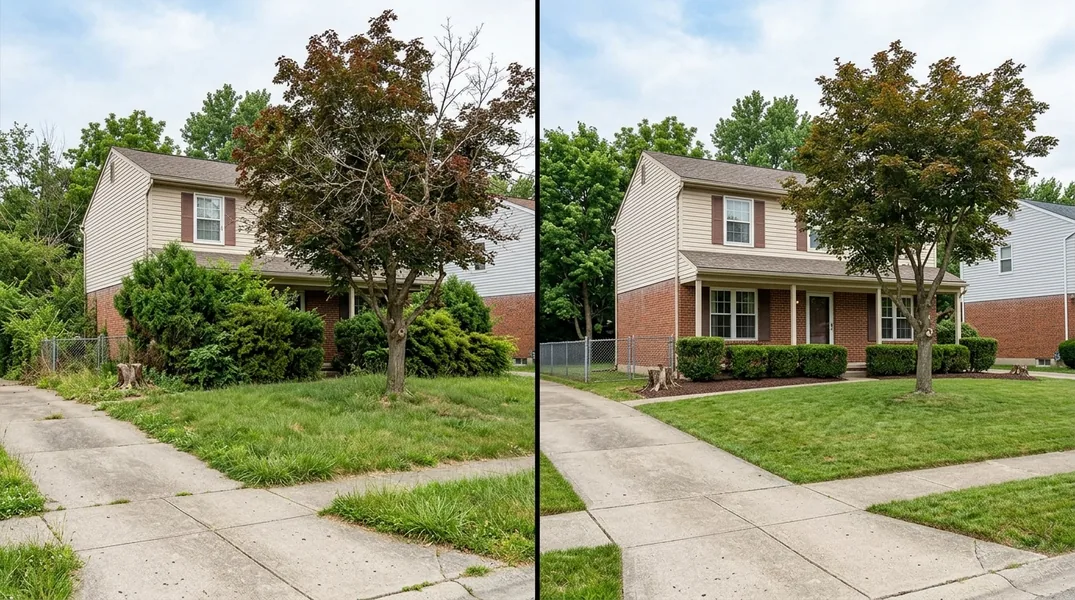
Immediate Safety First: Assess the Damage and Protect Your Family
The moment a tree crashes onto your home, your instinct is probably to rush outside and survey the damage. Stop. Safety must come first, before anything else. Even if the tree appears stable, branches may shift, power lines could be exposed, and structural damage might not be immediately obvious. Before you or anyone in your family ventures near the fallen tree, take a few critical precautions.
First, check for downed power lines. If you see any wires touching the tree or lying on the ground, stay at least 10 feet away and call your local utility company immediately. Never assume a line is de-energized, even if it appears inactive. Second, assess whether your home is structurally sound. If there is significant damage to the roof, walls, or foundation, it may be unsafe to remain inside. If you have any doubt, evacuate and call emergency services. Third, keep children and pets away from the fallen tree entirely. Unstable branches can fall without warning, and the debris field is inherently dangerous. Once you have confirmed that your family is safe and the immediate area is secure, you can begin documenting the damage for your insurance claim.
Document Everything: Photos, Videos, and Written Details
Within the first few hours after a tree falls on your house, take comprehensive photos and videos of the damage. This documentation is essential for your insurance claim and will help you communicate the severity of the situation to contractors. Start with wide shots that show the entire scene, including the fallen tree, the damage to your home, and any surrounding property damage. Then take close-up photos of specific damage points: broken roof shingles, crushed gutters, cracked siding, broken windows, or structural cracks. If possible, photograph the tree itself, showing where it broke or was uprooted, as this information helps explain what happened.
Write down the date, time, and weather conditions when the tree fell. Were there high winds, heavy rain, or a storm? Document the tree species if you know it, and note whether the tree was diseased, dead, or appeared healthy. If you have any prior maintenance records for the tree, gather those as well. This information helps establish whether the tree was a hazard that should have been removed. Video footage is also valuable. Walk around the property while recording, narrating what you see and the extent of the damage. Store all photos and videos in multiple locations (cloud storage, email to yourself, external hard drive) so you do not lose them if your devices are damaged.
Contact Your Insurance Company Right Away
Most homeowners insurance policies cover tree damage caused by storms or natural disasters, though coverage varies depending on your specific policy. The key is to report the claim as soon as possible. Call your insurance company within the first 24 hours if you can. Have your policy number ready, along with the documentation you just gathered. Describe the damage clearly and explain what caused the tree to fall. The insurance adjuster will likely want to schedule an inspection within a few days, so be prepared to provide access to your property.
Ask your insurance representative about coverage limits, deductibles, and what expenses are covered. Some policies cover the cost of removing the tree, while others do not. Some cover the damage to your home but not the tree removal itself. Understanding these details helps you plan your next steps and budget for expenses. If you have additional coverage for tree removal or debris cleanup, make sure to mention it. Keep records of all communication with your insurance company, including dates, times, names of representatives, and what was discussed. This creates a paper trail that protects you if there are disputes later.
Call an Emergency Tree Service Near Me: When to Hire a Professional
Within 24 hours of the tree falling on your home, you should contact a professional Tree Removal company in Dayton. Do not attempt to remove the tree yourself, even if you consider yourself handy. Fallen trees are extremely heavy and unstable. Removing them requires specialized equipment, training, and insurance. A professional arborist or tree removal crew can safely dismantle the tree, remove debris, and prevent further damage to your home and property. They can also assess whether the tree caused damage to your foundation, underground utilities, or neighboring properties, which affects liability and insurance claims.
When you call Dayton Tree Service at (937) 870-2309, describe the situation and ask about Emergency Tree Service availability. Many professional tree companies offer 24-hour emergency response for storm damage. Ask whether they can provide a same-day or next-day assessment. During the initial call, provide details about the tree's size, the damage to your home, and whether there are power lines involved. This helps the company prepare the right equipment and crew. If possible, send photos via email or text so they can see what they are dealing with before arriving. Ask about pricing and whether they accept insurance claims directly, which can simplify the payment process.
Prevent Further Damage: Temporary Measures and Tarping
If your roof is damaged or if there are broken windows or holes in your home's exterior, water intrusion is a serious concern. Rain or melting snow can enter your home and cause additional damage to insulation, drywall, flooring, and personal belongings. In the hours before the tree removal crew arrives, take steps to minimize this risk. If you can safely do so, place tarps over damaged roof areas and secure them with rope or weights. Cover broken windows with plywood or heavy plastic sheeting. Move furniture and belongings away from areas where water might enter.
However, be cautious about climbing onto your roof or making repairs yourself if the tree is still partially on the house. It is better to leave temporary tarping to professionals if there is any risk of instability. When you call the tree removal company, mention water damage concerns. Many professional crews can help with emergency tarping as part of their service, or they can recommend local contractors who specialize in emergency repairs. Document any water damage that occurs during this waiting period, as it is often covered by insurance and should be included in your claim.
After Removal: Stump Grinding and Full Property Restoration
Once the fallen tree has been removed from your home, there is still work to do. The tree's stump will likely remain in your yard, and debris will need to be cleared. Professional tree removal companies typically handle debris cleanup as part of their service, but stump removal is often a separate job. Ask whether Stump Grinding is included in your estimate or if it is an additional cost. Removing the stump prevents regrowth and eliminates a tripping hazard. It also allows you to reclaim yard space and plan for landscaping restoration.
After the tree is gone and the stump is ground down, assess the damage to your home with your insurance adjuster and get repair estimates from qualified contractors. Roof damage, structural repairs, and interior water damage should all be addressed promptly to prevent long-term problems. Consider whether you want to plant a new tree in the same location or choose a different spot. If you do plant a new tree, proper species selection and placement can prevent similar incidents in the future. Trees should be planted away from homes and power lines, and regular Tree Trimming & Pruning helps keep them healthy and reduces the risk of failure. If you have questions about tree health or placement, contact Dayton Tree Service for a professional consultation.
Get Professional Help Today: Contact Dayton Tree Service
A tree falling on your house is a stressful and potentially dangerous situation, but you do not have to handle it alone. Dayton Tree Service has the expertise, equipment, and experience to respond quickly to storm damage and emergency tree removal situations throughout Dayton. Our team works with insurance companies and understands the documentation and processes you need to file a successful claim. We prioritize your safety and the protection of your property while removing the tree efficiently and professionally.
If a tree has fallen on your home or you are concerned about a damaged tree on your property, do not wait. Call Dayton Tree Service at (937) 870-2309 today or visit our website to request a free estimate. We offer 24-hour emergency response for storm damage and can typically assess your situation within hours. Our experienced arborists and experienced crew members are ready to help you through this challenging time. Whether you need emergency tree removal, debris cleanup, Stump Grinding, or advice on preventing future tree damage, we are here to serve you.
Looking for a professional tree service contractor in Dayton? Dayton Tree Service responds fast for all your tree service needs.
Get a Free QuoteOur services: Tree Removal · Tree Trimming & Pruning · Stump Grinding